Crazy Time live casino game show in the UK: how it works
 Available in GB
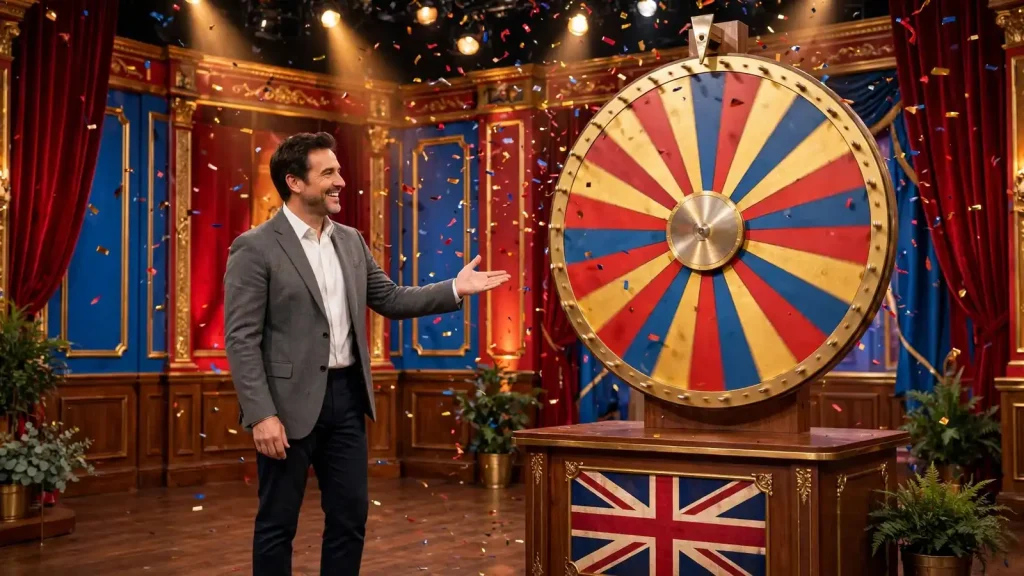
Crazy Time pairs a real-time studio stream and human dealer with on-screen controls for submitting bets.
Table of Contents
- How Crazy Time Fits into the UK Live Casino
- Playing Online: Pace, Connection and Table Minimums
- Casino Sites and the Details That Matter
- Where to Play: UK Licensing and Live-Game Access
- Choosing a Live Casino Without a ‘Best’ List
- Roulette and Blackjack: Rules Before Strategy
- Trying a Demo: What Free Play Does—and Does Not—Show
- Free Play, Spins and the Difference Between Them
- GamStop Searches and the UK Licence Boundary
- Bonuses at Live Tables: Wagering and Game Weighting
How Crazy Time Fits into the UK Live Casino
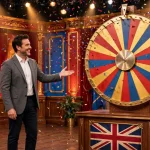
Crazy Time sits within the live casino format: play is shown as it happens in a studio, with a human dealer present, while players submit their bets through an on-screen interface. That combination is the defining distinction from a game whose outcomes are generated entirely by software. The screen is not simply an animation of a casino table; it carries a real-time studio feed alongside the controls used to take part.
The phrase “game show” describes the presentation, not a separate way of placing a bet. The studio setting gives the game a show-like frame, while the essential transaction remains familiar from other casino games: a player selects a bet in the interface, submits it, and watches the live event unfold. The dealer is part of the streamed activity; the interface is where the player’s choices are entered.
That division matters. The video shows the live presentation, but it does not replace the betting controls. A player does not place a wager by speaking to the dealer or interacting with the studio itself. The software interface records the selection and communicates it to the game. In practical terms, the stream and the betting panel work together, but they do different jobs.
If you’re considering where to play Crazy Time in the UK in 2026, payout timing is one practical detail to check. This list gives a concise reference for the information available about each operator.
1. NightWin
Payout speed: 1-3 business days NightWin lists a payout speed of 1–3 business days.
2. Chanze
Payout speed: 1-3 business days Chanze lists a payout speed of 1–3 business days.
3. BeOnBet
Payout speed: 1-3 business days BeOnBet lists a payout speed of 1–3 business days.
4. x3bet
Payout speed: 1-3 business days x3bet lists a payout speed of 1–3 business days.
5. Amunbet
Payout speed: 1-3 business days Amunbet lists a payout speed of 1–3 business days.
6. EvoSpin
Payout speed: 1-3 business days EvoSpin lists a payout speed of 1–3 business days.
7. SpinFormula
Payout speed: 1-3 business days SpinFormula lists a payout speed of 1–3 business days.
8. WinBeast
Payout speed: 1-3 business days WinBeast lists a payout speed of 1–3 business days.
9. NightLuck
Payout speed: 1-3 business days NightLuck lists a payout speed of 1–3 business days.
10. SlotoSport
Payout speed: 1-3 business days SlotoSport lists a payout speed of 1–3 business days.
I have seen people read the word “live” as if it meant that every part of the experience happens directly between the player and the dealer. It does not. The dealer operates in the studio, and the player takes part remotely through the screen. The live element is the real-time gameplay and human presence; the digital layer handles the player’s bet.
This is also why a live casino game should not be confused with a video clip or a pre-recorded presentation. Its footage represents gameplay taking place in real time. The player is not merely watching a finished result replayed later: bets are placed through the on-screen system as part of the live game process. The interface is therefore not decorative. It is the route by which a remote participant joins in.
For Crazy Time, that format helps explain why the game can feel different from a conventional digital casino title even before considering any particular rules. There is a visible person dealing and a studio environment on screen, rather than only a software-rendered table or a sequence of graphics. The show-style presentation supplies atmosphere; the live dealer format supplies the human and real-time component; the interface supplies the means of participation.
Deal or No Deal casino UK: how the game works
The distinction is useful when comparing descriptions of a “Crazy Time casino” or a live casino offering the game. Those phrases refer to access to a game within an online casino setting, not to a physical casino floor or a direct connection with the studio. The player remains at the interface, viewing the studio stream and making selections on screen. The label can sound more theatrical than the underlying process. The mechanics are still remote.
There is a straightforward way to understand the arrangement: the studio produces the live game, the dealer is visible within that production, and the betting interface carries the player’s input. These parts meet on one screen, which can make them appear to be one continuous activity. They are related, but they are not interchangeable. A dealer’s presence does not mean the player is speaking to the dealer to place bets, and a polished presentation does not alter the fact that the player’s choices are entered digitally.
That is the context behind Crazy Time live casino play in the UK: a studio-based, real-time game presented by a human dealer, with remote participation handled through an on-screen interface. The format explains what “live” means before any specific questions about access or individual play arise. A show on screen. A digital betting control.
Playing Online: Pace, Connection and Table Minimums
The practical difference between a digital casino game and a live table is not just the picture on the screen. Live play follows a real-time sequence: a host or dealer runs the round, the game moves through its stages, and the interface accepts bets according to the table’s schedule. There is less scope to move instantly from one decision to the next. A digital version can process rounds at a much quicker rhythm; a live game has to leave room for the human presentation and the betting window.
Live games follow a real-time sequence where the interface accepts bets according to the table’s schedule, resulting in a slower rhythm compared to digital versions.
That slower pace is part of the format, not necessarily a technical fault. In Crazy Time, the show’s stages give each round a visible rhythm. The time between opening a betting window and closing it is part of the game’s operation. The pace can feel more involving than a rapid sequence of digital outcomes, but it also means fewer rounds fit into the same stretch of play. I would not treat a slower rhythm as a reason to extend a session. It changes the feel, not the underlying financial risk.
The betting interface has to remain in step with the live event. A connection that drops or stutters can make the screen lag behind what is happening in the stream. This matters most near a betting deadline: an action may not be accepted if the window has closed, even if the display appears momentarily out of sync. The exact handling depends on the game and its interface, so the on-screen status is more useful than assuming that a click has gone through.
A stable internet connection is therefore a basic condition of live play. The stream and the controls both need to work reliably; strong video quality alone is not enough if bet selections fail to register. A wired connection or dependable home Wi-Fi may be more consistent than a weak mobile signal, but no connection method guarantees uninterrupted play. Pausing before a round is preferable to trying to catch up after a freeze. If the picture or controls become unreliable, continuing to place bets without knowing what has been accepted creates avoidable uncertainty.
JetX Casino Game in the UK: Labels and Evidence
Connection quality also affects how the game feels. With a clear stream, the stages are easier to follow and the handover between betting and play is apparent. With buffering, the event can seem slower still, while the interface may not make clear whether it is waiting for the next stage or recovering the stream. That distinction matters: a delay in the video is not the same as an open betting window. The game’s displayed status should determine whether betting is available.
Minimum stakes are another practical difference. Live tables can set higher entry points than digital games, though the amount depends on the table. A specialist review has reported live roulette and baccarat tables starting at around 20p, with blackjack tables often carrying higher starting limits. That is a report from one type of source, not a dependable rule for every operator, table or game. The stated minimum on the individual table is the figure that matters at the time of play.
For Crazy Time specifically, the minimum should be checked in the game’s own betting panel rather than inferred from another live table. A casino may offer several live games with different limits, and a figure reported for roulette or baccarat does not establish the entry point for a game show. The same applies when switching between tables: a balance that was sufficient for one game may not meet another table’s minimum.
Do
- Check the minimum stake in the game’s betting panel
- Treat the minimum as a threshold for entry
- Leave the game if the minimum exceeds your budget
Don’t
- Infer limits from other live tables
- Increase your budget to fit a table’s minimum
- Treat the minimum as a recommended stake
A minimum is not a recommended stake or a measure of affordability. It is simply the lowest amount the interface will accept for a bet under that table’s rules. Where the minimum is higher than the amount set aside for entertainment, the practical answer is not to increase the budget to fit the table. A game can be watched without betting, or left for another occasion. I have found that treating the minimum as a threshold rather than an invitation avoids a common misunderstanding.
The combination of a slower round cycle, a live connection and a table-specific minimum makes online live play different from tapping through a digital game. The stream needs to stay usable, the betting window has its own timing, and the available stake must fit the table before a round begins. None of those conditions makes the game more predictable. They simply shape how it can be played.
Before starting, the useful checks are modest: confirm the connection is steady, read the minimum shown for that particular table, and decide in advance what amount can be spent. If the stream becomes unstable or the pace stops being comfortable, stopping is a sound choice. Entertainment only; this is not gambling advice.
Online Casino American Roulette in the UK
Casino Sites and the Details That Matter
A casino’s live section can look uniform at first glance: a video window, a betting panel and a list of games. The details behind that screen are more useful than the presentation. For Crazy Time casino sites, the central distinction is whether the game is being delivered as a live dealer production and whether the site is operating under the UK framework. A polished lobby alone answers neither question.
In the UK, a live dealer casino is legal when it holds a UK Gambling Commission licence. That is a basic condition, not a quality award. I separate the question of regulatory status from the question of what a particular game actually does. A licence does not turn every table into the same product, and an animated interface does not prove that a physical game is being streamed.
Roulette makes the difference easy to see. In live dealer roulette, a dealer spins a physical wheel and the result comes from the ball landing on it. Computerised roulette instead uses a Random Number Generator to produce the result. Both may appear on a casino site under similar menu labels, but the underlying process is different. The relevant detail is the game format, not whether the graphics look convincing.
That distinction matters when comparing Crazy Time casino sites UK with broader live-game lobbies. A site may offer streamed tables alongside computer-generated games; a category heading is not enough to tell them apart. I look for a clear game description that states whether a dealer and physical equipment are involved. If the presentation leaves that unclear, the screen itself should not be treated as proof.
A polished lobby or dramatic graphics are merchandising choices and do not prove that a game is a live dealer production or operating under a UK licence.
The same care applies to labels such as “best”. A best Crazy Time casino site is not established by a large lobby, dramatic graphics or prominent placement. Those are merchandising choices. A more grounded comparison asks what is actually being offered and whether the game description matches the format in the live window. There is no universal winner hidden in the word.
Promotional language needs similar separation from the game itself. A banner for Crazy Time casino bonuses may sit beside the live table, but it does not explain how the game operates or what conditions apply to an offer. I treat the promotion and the product as separate decisions. The headline is the sales layer. The terms are the mechanism.
Searches for Crazy Time casino scores can also blur two different ideas: a record of what has happened and a basis for predicting what happens next. A score or past result is historical information. It does not change the process that produces a later result. I would not treat live casino scores as a strategy, or as evidence that a particular outcome is due. A tracker can display history; it cannot make the next result more favourable.
That is where “strategy” often becomes a misleading label. A site may display results or statistics in a way that feels actionable, but presentation is not an advantage. The same applies to casino scores for Crazy Time: they can describe prior outcomes without providing a reliable forecast. I keep the distinction plain. Records are records.
When checking a site, I therefore separate three questions: is the operator licensed for the UK market, is the game streamed with a human dealer or generated by software, and are any promotional claims being kept distinct from the rules of the game? Those checks prevent a glossy interface from standing in for information. They do not require a ranking.
Casino Games: Slots, Live Tables and Online Play
No shortcut.
Where to Play: UK Licensing and Live-Game Access
A UK player looking for Crazy Time live casino access is not dealing with a separate legal category just because the game is streamed or presented as a show. The key condition is the operator’s status: a live dealer casino may legally offer games to customers in the UK if it holds a UK Gambling Commission licence. A familiar game name or polished studio presentation does not replace that requirement.
In practice, access begins at a casino’s game lobby. Crazy Time may be listed among live casino games, but the presence of a game page alone does not establish that the operator is authorised to serve UK customers. The legal test attaches to the business offering the gambling, not to the wheel, the studio or the game title. That distinction is easy to miss when a page puts the entertainment front and centre.
From the industry side, licensing is not a decorative badge. It is the condition that separates a legal UK offer from one outside the British regulatory system. Remote operators selling into the British market must hold the relevant Gambling Commission licence, regardless of where their business is based. So the location of a studio or company does not, by itself, settle whether a service can lawfully offer play here.
Licensing
Real-money live dealer casinos must hold a UK Gambling Commission licence to legally offer games to customers in the UK.
There is also a difference between seeing information about a game and being able to join it for real-money play. A site may describe Crazy Time or display a live-game category, while access to the actual table depends on the operator’s licensed offering. The sensible reading is narrow: the game’s availability on a screen is not proof of the operator’s UK status. No shortcut around the licence condition.
When assessing where to play Crazy Time in the UK, the licence question comes before presentation or convenience. A site can use phrases such as “live experience” or “casino floor”; those are descriptions, not evidence of authorisation. The legal condition remains straightforward: a live dealer casino serving UK players needs a UK Gambling Commission licence. The licence is the gate.
I have seen how marketing can make access sound like a matter of finding the right game tile. In reality, the operator’s authority to offer gambling is the threshold issue. This does not require a ranking of venues or a claim that one is “top”; it means distinguishing a lawful UK offer from an attractive-looking page whose regulatory position is unclear.
Before any real-money play, a budget should be set and kept to. That is separate from the licensing question, but it belongs in the same decision: legality establishes whether the offer can be made in the UK; it does not make gambling risk-free. This material is for entertainment purposes only and is not gambling advice.
Chicken Road Casino UK: Game Labels and Risks
Choosing a Live Casino Without a ‘Best’ List
A “best Crazy Time casino” label sounds like a verdict, but it often hides a set of preferences. One player may value a calm pace; another may care more about finding a table whose minimum stake fits a pre-set budget. Those are different decisions, not evidence that one casino is objectively superior.
I compare the practical conditions first. Live games move more slowly than digital versions, and that changes the feel of a session: there is time between decisions, but less control over the rhythm. A stable internet connection matters too, because the game is being streamed rather than generated solely on the device. These points are not unique selling features. They are the basic trade-off of live play.
Minimum stakes deserve separate attention. A specialist review reported that some live roulette and baccarat tables started at around 20p, while blackjack tables had higher starting limits. That is a report about particular tables, not a dependable promise for every operator or game. The figure can help frame what a source has observed, but the table’s displayed minimum is what determines whether a session fits a budget.
The useful comparison is therefore not a ranked list of “best Crazy Time casinos UK”; it is whether the available format suits the intended session. I would look at the pace, the stated minimum and whether the stream remains usable on the connection available. A headline calling a game “exclusive” or a site “top” tells little about those conditions. Marketing labels are not operating details.
Practical Comparison
- Evaluate the pace and suitability for your intended session
- Verify that the stream remains usable on your connection
- Ensure the table minimum fits your pre-set budget
- Ignore marketing labels like “exclusive” or “top”
Searches for Crazy Time results can also create the wrong expectation. A result from one round is an outcome, not a dependable guide to what follows. A record or tracker may describe past results, but it cannot make future outcomes predictable. I have seen players treat a sequence as a signal; that is where observation gets mistaken for an advantage. It does not provide one.
Nor is a “best strategy” a way to remove the uncertainty. A plan can set boundaries for spending and session length, but it cannot turn results into a forecast. I set a budget before playing and keep to it; losses are not a reason to extend it, and a win is not a reason to abandon it. Simple discipline. No recovery system.
The term “Crazy Time slot” may appear in everyday searches, but the label does not settle what the experience is like. The practical choice still comes down to the actual live format and its conditions, rather than a category word or a ranking badge. This is entertainment, not gambling advice. The useful choice is the one whose pace and cost remain acceptable, not the one with the loudest claim.
Roulette and Blackjack: Rules Before Strategy
The useful starting point is the rule set, not a staking pattern. In roulette, a dealer spins a physical wheel and the ball settles in a pocket; a bet wins when it matches the outcome under the table’s rules. Live dealer roulette shows that process as it happens. A digital roulette game instead uses a Random Number Generator to produce results. The presentation differs, but neither format makes a previous result a guide to the next one.
Casino Dice Games in the UK: Understanding Online Play
The house edge depends on the bet. A straight-up selection carries a 2.9% edge for the house; the figure for other roulette bets is 2.7%. That difference is part of the game’s mathematics, not a signal that one sequence of numbers is due. A Crazy Time strategy, or any strategy built around a record of earlier results, cannot turn a tracker into a prediction tool. A tracker can organise past outcomes. It cannot make them determine what happens next.
That is the distinction often lost in “system” language. A history is a record, not an advantage. I have seen players treat a run of results as evidence that a particular outcome must follow. It is not. Keeping notes may help describe what has already happened, but it does not change the rules or remove the house edge.
Blackjack has a different decision structure. In a live game, a human dealer is streamed in real time, so the dealing and interaction are visible. The aim is to finish with a hand closer to 21 than the dealer’s, without going over. The rules determine how hands are played and settled; a table’s specific rules should be read before play, rather than inferred from a familiar-looking screen.
In roulette, a straight-up selection carries a 2.9% house edge, while other bets typically carry a 2.7% edge.
A staking system does not rewrite those rules. Martingale, for instance, raises stakes after losses in an attempt to recover them with a later win. But blackjack still retains a house edge, and a run of losses can leave the player losing money. A larger next stake is not a correction to the odds. It increases the amount exposed to the next result.
That is why I separate strategy from stake progression. Strategy concerns decisions within the game’s rules; changing the size of a bet does not make an unfavourable expectation disappear. The same caution applies to searches for Crazy Time casino tracking: recording outcomes may make a session easier to review, but it is not evidence of a reliable way to forecast results.
Before playing, set a budget and keep to it, and review the table rules and paytable. This is entertainment, not gambling advice. No system overrides the maths.
Trying a Demo: What Free Play Does—and Does Not—Show
A Crazy Time casino demo can be useful for seeing how a live game is presented before any real-money play. The basic arrangement is visible: a studio stream shows a human dealer in real time, while an on-screen interface is used to place selections. That gives a clearer sense of the format than a static description can.
In my experience, the value of free play is mostly practical. It lets a new player see where the video sits, how the betting controls are arranged and how the screen changes as a round moves along. It can make the difference between recognising the controls and having to work them out while watching a live broadcast. A demo is a preview of the interface, not a rehearsal that reproduces every condition of real play.
Mines Casino Game UK: Rules, Risk and Free Play
That distinction matters. Free-play credits are not money, and a demo does not pay out real winnings. A successful result on the practice screen cannot be cashed out or treated as evidence of income. The result is part of a no-payout environment. Useful for orientation; not a financial test.
A demo also cannot tell much about how a player will respond when real money is involved. The same buttons may be on screen, but the decisions do not carry the same consequence. It therefore cannot establish that a particular approach is profitable, or that a run of favourable results will continue. I have seen practice play mistaken for proof. It is not.
Nor should a short session be treated as a reliable guide to what later sessions will look like. Free play can show how the game is displayed and how selections are submitted; it cannot promise a repeatable pattern of results. Tips framed as a way to beat the game often blur that boundary. Familiarity with the controls is not an advantage over the underlying outcome.
The most sensible use of a Crazy Time live casino demo is narrow: understand the screen, observe the studio presentation and decide whether the format is comfortable to follow. If moving from practice to real-money play, set a budget beforehand and keep to it. A demo should not be used to justify increasing that budget or chasing a result.
Using a Demo
- Observe the studio presentation
- Understand the on-screen layout
- Practice using the betting controls
- Set a real-money budget before switching
There is another limit: the demo interface may not answer every question about real-money conditions. What it does show is the basic interaction between a live studio feed and an on-screen betting interface. What it does not show is a real payout, a reliable forecast or a guarantee that actual play will feel the same.
This material is for entertainment purposes only, not gambling advice. Free play is a way to get oriented, nothing more.
Free Play, Spins and the Difference Between Them
“Free” can describe two different things around Crazy Time. Free play means access to a game without staking cash; free spins are a promotional feature attached to slot games. The wording sounds similar, but the two offers work differently. Neither phrase, by itself, means that a live table is included.
A free-play version can let someone see the game interface without making a real-money bet. Free spins, by contrast, are issued for use on eligible slots, subject to the offer’s terms. They are not a bundle of live-game turns, and they do not become usable at a live table simply because the casino advertises them alongside its other games.
Aviator Casino Game UK: Rules, Licensing and Play
A specialist review of UK welcome offers reports that most are structured as free spins on slots, rather than credits for live casino games. That distinction matters when a promotion is being assessed for a Crazy Time session: a slot-only offer has no direct use at that table. The headline may present a broad welcome package, while the game list and terms determine where its value can actually be used.
I have seen “free” do a lot of work in promotional copy. It can attract attention before the restrictions are visible. The practical reading is narrower: identify whether the offer is free access to a game or spins assigned to eligible slots, then check the stated game exclusions and conditions before opting in. Terms can also set wagering requirements, game weighting and maximum bet limits. Those details determine what the offer asks for; the word “free” does not settle it.
This is why a free Crazy Time game and a casino’s free-spin promotion should not be treated as interchangeable. One describes access to a game without a cash stake; the other describes a slot promotion. A Crazy Time casino review that discusses offers is useful only if it makes that separation clear, rather than implying that slot spins can be transferred to a live game.
Free does not mean cash winnings, and it does not make an offer suitable for every game. For live play, the relevant question is whether the terms explicitly include live tables. If they do not, the slot promotion belongs elsewhere. Read the conditions first. The label comes second.
Difference between free play and free spins
Free play refers to accessing a game interface without staking cash for orientation purposes. Free spins are promotional features specifically for eligible slot games and cannot be used at live dealer tables unless explicitly stated in the terms.
GamStop Searches and the UK Licence Boundary
The phrase “Crazy Time casino not on GamStop” can sound like a simple filter: a live game, offered by a casino outside a self-exclusion scheme. It does not establish that a particular site is authorised to serve people in Britain. The decisive boundary is the operating licence, not the wording used to describe a casino.
For real-money live dealer play in the UK, the operator must hold a current licence from the UK Gambling Commission. That requirement applies to remote operators serving the British market, wherever the business is based. A site’s claim that it offers Crazy Time, or that it is not part of GamStop, does not replace that licence. Nor does the phrase “non-GamStop” show that an operator has been checked or approved.
I have seen labels do a lot of work in casino marketing. “Without GamStop” describes an asserted relationship with a self-exclusion scheme; it is not a regulatory category. It can also draw attention away from the question that matters for legal access in Britain: whether the operator holds the relevant UK licence. A search result or promotional description cannot settle that point on its own.
The same distinction applies to searches for a “Crazy Time Evolution casino”. Naming a game or its supplier does not confirm the legal status of the casino hosting it. The game title and the operator’s permission to serve UK customers are separate matters.
This matters particularly where GamStop is relevant to someone’s decision to stop gambling. A site described as outside the scheme should not be treated as a safe or authorised route around that decision. The description alone says nothing reliable about the site’s licence, and it does not change the UK requirement for licensed real-money casino play.
Labels are not licences. That is the boundary. This material is for entertainment purposes only, not gambling advice.
Crash Casino Games in the UK: How They Work
Bonuses at Live Tables: Wagering and Game Weighting
A Crazy Time casino bonus can look relevant because it appears alongside a live table, but the offer’s placement does not determine how the bonus works. The terms do. In my experience, the key line is the game-weighting table: it states how much each game contributes towards clearing wagering requirements.
Live games may count for only a small share. An offer’s terms might assign live play a 10% weighting, meaning only a fraction of eligible stakes counts towards the requirement. The headline bonus can therefore look more generous than its practical value for someone mainly interested in Crazy Time. A larger balance is not the same as faster progress.
The offer type matters too. A specialist review describes most UK welcome offers as free spins on slots, which cannot be used at live tables. That makes a slot-focused welcome bonus a poor match for a live-game session, even if the casino also provides Crazy Time. A Crazy Time casino welcome bonus or deposit bonus should be assessed by its actual terms, not by the word “casino” in the promotion.
The same caution applies to claims about a Crazy Time no-deposit bonus, whether described as a casino bonus or a free offer. The label alone says nothing about eligibility, wagering conditions or whether live games count. There is no basis for treating a search phrase as proof that a particular promotion is available. If an offer does include a live-game contribution, its weighting and restrictions determine how useful it is.
I check the game contribution, excluded games, wagering requirement and any maximum-bet condition before treating a bonus as spendable value. Those clauses are not decorative. They define what the promotion permits. Bonus funds may also be subject to conditions that differ from cash funds, so the displayed balance should not be read as an immediate payout.
“Bonus” is the headline. The terms are the product. This is entertainment content, not gambling advice; a fixed budget should remain separate from any promotional balance.
How do you play live roulette?
Choose a bet in the on-screen interface and submit it before betting closes. A live dealer spins a physical wheel, and you win if the ball lands on a number you selected.
What are the different types of roulette you can play with a live dealer?
Live roulette includes European, American and French versions. European Roulette has one green pocket, American Roulette has 0 and 00, and French Roulette has a rule that can reduce the loss on an even-money bet when the ball lands on zero.
How does the house edge change between games?
In roulette, the stated house edge is 2.9% for straight-up bets and 2.7% for other bets. The wheel and rules matter too: American Roulette has both 0 and 00, while in French Roulette an even-money bet loses only half when the ball lands on zero.
Casino Games

Aviator Casino Game UK: Rules, Licensing and Play
A guide to Aviator’s format, casino terms and the distinction between UKGC-regulated operators and offshore...
3-Reel Slots in the UK: Play, Rules and Odds
A guide to online three-reel games, separating reel count and classic styling from odds, features,...
5-Reel Slots in the UK: How to Compare Games
Five vertical columns are only the layout; each game's rules define qualifying symbol patterns and...
Bonus Buy Slots in the UK: Demo and Feature Guide
A practical guide to exploring the feature, understanding its limits and weighing how it can...

Fast-Payout Online Casinos in the UK: Keno Returns
Keno returns depend on selected spots, catches and the paytable; a quick round does not...

First Deposit Bonus Casinos in the UK: What to Check
A first-deposit label does not define the reward: the promotion’s terms determine how it is...

High-volatility slots UK: how payouts and variance work
High volatility usually means less frequent wins with returns concentrated in larger payouts, not a...

Best Keno Casinos Online in the UK: What to Check
See how spot selections, draw formats and paytables shape online keno, and what to check...

Live Casinos in the UK: Licensing, Games & Offers
Understand who needs a licence, how live tables work and what to check in casino...
Low-Volatility Slots in the UK: How They Work
Low volatility describes a tendency towards more frequent, smaller returns, not a guarantee of wins...

Online Slot Payout Percentages: What RTP Means
A payout percentage describes designed return across broad play, not the result a player should...
RTP in UK Casino Slots: What the Figure Means
RTP is a long-run mathematical expectation, not a guide to when a slot will pay...

UK Video Slots: Volatility, Features and Casino Checks
Understand how returns, game features and casino checks affect the way online video slots are...

Casino Dice Games in the UK: Understanding Online Play
Online dice can describe a visual style, but the display alone does not explain a...

Chicken Road Casino UK: Game Labels and Risks
A casino label alone does not establish a game’s format, rules, availability or the conditions...

Crash Casino Games in the UK: How They Work
A crash title’s rules, randomness, payment options and access to real-money play depend on the...

Deal or No Deal casino UK: how the game works
See how the briefcase format translates into slot play, and what the available details do—and...

Fast Payout Online Casinos UK: How to Assess Claims
A fast-payout claim can refer to different stages or conditions, so its wording alone does...
French Roulette Online Casinos in the UK
La Partage and En Prison affect even-money losses, while wheel type, game format and table...
Hi-Lo Casino UK: Rules, Calls and Game Types
See how card comparisons, tie rules and pay tables affect outcomes across live, reel-based and...

High-RTP slots in the UK: what RTP can tell you
RTP describes a game's theoretical return over extensive play, but it cannot predict an individual...
JetX Casino Game in the UK: Labels and Evidence
A cautious guide to JetX’s format, demo play, UK market context and the limits of...
Live Baccarat Online Casinos in the UK: What to Check
A practical guide to UK licensing, baccarat bets, live table formats, commissions and the bonus...

Live Blackjack at UK Online Casinos: What Matters
Live blackjack adds a streamed dealer and a slower rhythm, so table pace, connection demands...

Live Casino Lightning Roulette in the UK: How It Works
A practical look at the live stream, roulette mechanics, table rules, offers and limits—without treating...
Live Dream Catcher Casino in the UK: How It Works
The guide explains how the studio stream and betting panel work, and what to check...

Live Roulette UK with English-Speaking Dealers
A live dealer spins a physical wheel in a studio, while the online interface carries...

Mines Casino Game UK: Rules, Risk and Free Play
The guide separates game mechanics and practice claims from operator, regulatory and real-money considerations. Mines...

Monopoly Live Casino in the UK: How It Works
The guide separates the studio format from game rules and covers connection, table terms, free...

Online Bingo in the UK: How Rooms and Slots Work
A practical guide to ticket draws, winning patterns, real-money and free play, and how bingo...
Online Casino American Roulette in the UK
American Roulette uses both 0 and 00, shaping its layout, wheel and betting terms. American...

Online European Roulette in UK Casinos: Rules & Odds
The single-zero wheel, its bets and payouts, and differences between RNG, live roulette and roulette-themed...

Online Casino Games for Real Cash in the UK
The guide explains spin costs, licence boundaries, bonus conditions, cash payouts and Android app choices...
Online Casino Tournaments UK: Free Entry Rules
A practical guide to entry costs, prize conditions, scoring rules, spin limits and tournament schedules....

Online Casinos Without ID in the UK: What to Know
A light-touch registration process does not remove a licensed casino’s duty to verify age and...

Plinko Casinos in the UK: Licensing and Payments
The game label alone does not show whether a platform is within the UKGC system...